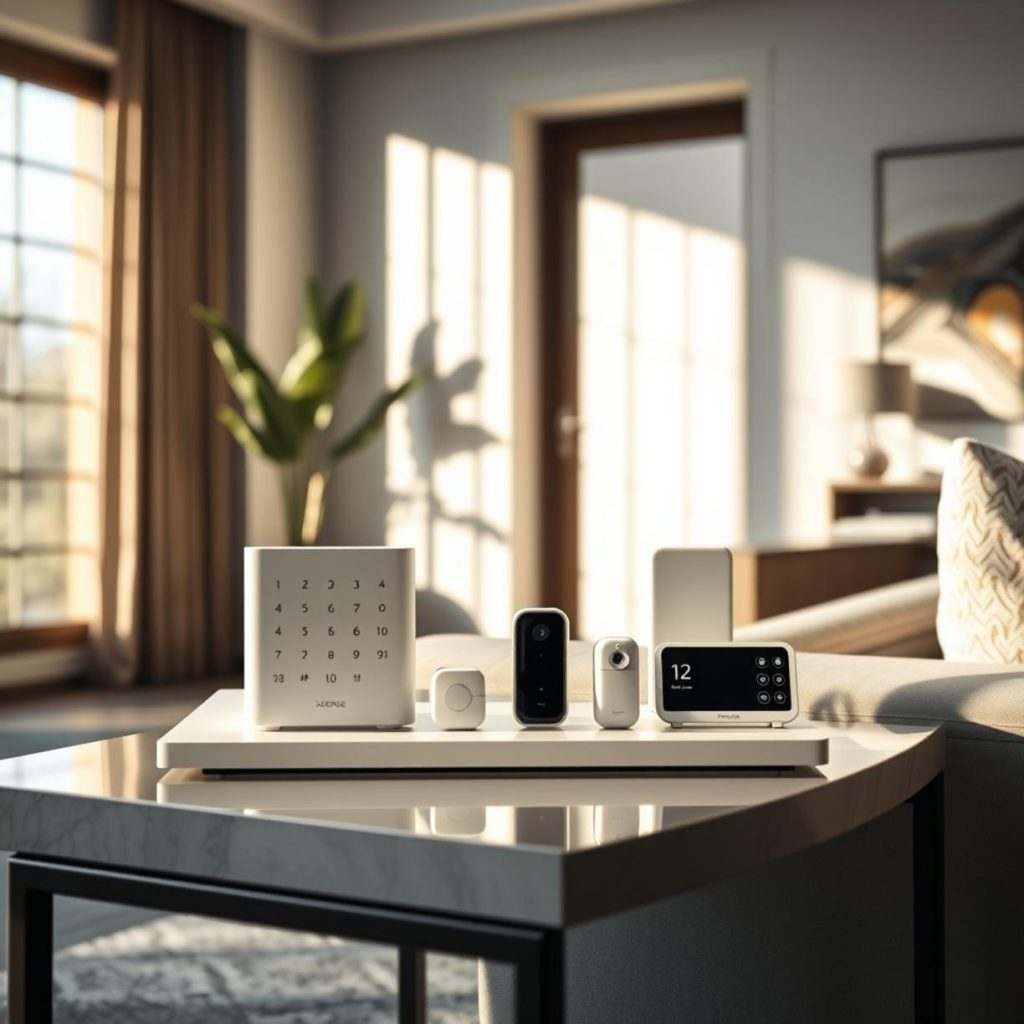
As more homeowners look to integrate smart technology into their living spaces, the question of "home assistant vs alexa vs google" becomes increasingly relevant. In 2026, the decision between these platforms can significantly impact how seamlessly your devices interact and how intelligently your home operates.
Understanding the Smart Home Giants
The choice between Home Assistant, Alexa, and Google Home boils down to what you value most: openness and customization, ecosystem integration, or AI capabilities.
- Protocol: Home Assistant supports a wide array of local controls.
- Protocol: Alexa integrates deeply with Amazon services for a seamless shopping experience.
- Protocol: Google Home excels in leveraging AI for predictive assistance and search integration.
Home Assistant vs Alexa vs Google: A Comprehensive Comparison
Let's dive into the strengths and weaknesses of each platform to help you understand "home assistant vs alexa vs google" effectively.
Zigbee, Matter, and Thread: The Backbone of Smart Homes
When comparing these platforms, understanding their support for various protocols is crucial. Zigbee, Matter, and Thread represent the core that powers many devices across these platforms.
- Zigbee: This protocol is renowned for its low power usage and reliability, making it a staple in smart home connectivity.
- Matter: As an industry-wide standard, Matter aims to unify the ecosystem, allowing devices to work across different platforms effortlessly.
- Thread: A newer player, Thread provides a mesh network, enhancing the reliability and speed of your smart home network.
Data Visualization
| Feature | Home Assistant | Alexa | Google Home |
|---|---|---|---|
| Device Compatibility | Extensive | Extensive | Extensive |
| Ease of Use | Advanced | Intermediate | Beginner |
| Cost | Low | Moderate | Moderate |
Step-by-Step Guide to Choosing the Right Platform

- Identify your specific needs and smart home goals.
- Consider your technical expertise and desired level of control.
- Evaluate the devices you currently own against platform compatibility.
- Set a budget, taking into account potential hidden costs.
- Test each platform's app for usability and feature set.
Common Mistakes When Choosing Between Home Assistant, Alexa, and Google

From my experience at the MyDomy lab, many people rush into a decision without fully understanding their needs, often leading to buyer’s remorse. Remember, investing in a smart home platform is not just about current needs but future-proofing your home. Ignoring protocol updates like Zigbee or Matter advancements can limit smart home capabilities down the line.
Best Practices and Tips
- Stay updated with the latest firmware for seamless device operation.
- Mix and match platforms where possible to utilize each of their strengths.
- Consider testing platforms via a sandbox method before full integration.
- Check out the latest comparisons like this home assistant comparison smartthings for insights on newer options and standards.
Conclusion
As we move into an even more connected future, "home assistant vs alexa vs google" debates will continue to evolve. Your decision should rest on long-term compatibility and your unique living conditions. Embracing a culture of learning and adaptation will ensure that your smart home aligns with future advancements.
FAQs
Which platform supports the most devices?
All three platforms - Home Assistant, Alexa, and Google Home - support a wide range of devices, but Home Assistant's open-source nature makes it particularly robust.
Is one platform better for privacy?
Home Assistant is generally considered better for privacy as it can run entirely locally, whereas Alexa and Google Home rely on cloud services.
Can I use multiple platforms together?
Yes, you can integrate multiple platforms to utilize the strengths of each, albeit with some configuration challenges.
Which is easier to set up for beginners?
Google Home is considered the easiest for beginners due to its user-friendly interface and comprehensive setup guides.
What is the importance of staying updated with protocols like Matter?
Protocols like Matter are crucial for future-proofing your smart home, ensuring consistent compatibility across various devices.