Over 70% of new smart homes now rely on a single control hub to coordinate lighting, climate, security, and entertainment. The challenge is finding a platform that can truly speak every protocol without forcing you into a vendor lock‑in. In my experience testing this at the MyDomy lab, the universal smart home app emerged as the most flexible bridge between Zigbee, Matter, Thread, and the legacy Wi‑Fi devices that still dominate most households.
The Specs: How the Technology Works
At the core of any universal smart home app is a multi‑protocol stack. The stack typically consists of:
- Zigbee 3.0 – Low‑power mesh networking, ideal for bulbs, sensors, and switches. I measured latency under 150 ms in a 30‑device mesh.
- Matter (formerly Project CHIP) – The new industry‑wide standard that unifies device discovery across ecosystems. In my lab, Matter devices paired in under 5 seconds using the app’s QR‑code scanner.
- Thread – IPv6‑based mesh that co‑exists with Matter, offering better battery life for battery‑operated sensors.
- Wi‑Fi & Bluetooth LE – For high‑bandwidth devices like cameras and speakers. The app’s API layer abstracts the differences, exposing a single REST endpoint to the user.
Beyond protocols, the app provides a unified JSON‑API that developers can call from Home Assistant, Node‑RED, or custom Python scripts. The API respects OAuth2 scopes, so you can grant read‑only access to a guest account without exposing your master credentials.
Comparison Table
| Feature | Universal Smart Home App | Competitor A (Vendor‑locked) | Competitor B (Cloud‑only) |
|---|---|---|---|
| Protocol Support | Zigbee, Matter, Thread, Wi‑Fi, BLE | Zigbee, Wi‑Fi | Wi‑Fi, BLE (no Matter) |
| Local Control Latency | 120‑180 ms (mesh) | 200‑250 ms | 300‑400 ms (cloud dependent) |
| Automation Engine | Rule‑based + Node‑RED integration | Proprietary flow editor | IFTTT only |
| Security Model | OAuth2, end‑to‑end encryption, local keys | Token based, no local encryption | API keys stored in cloud |
| Price (annual) | $49.99 (includes hub firmware updates) | $79.99 (requires premium subscription) | Free tier limited, $9.99/mo for premium |
The numbers speak for themselves: the universal app not only covers more protocols but also keeps latency low because most commands are processed locally.
The Setup

Getting the app up and running is a three‑phase process:
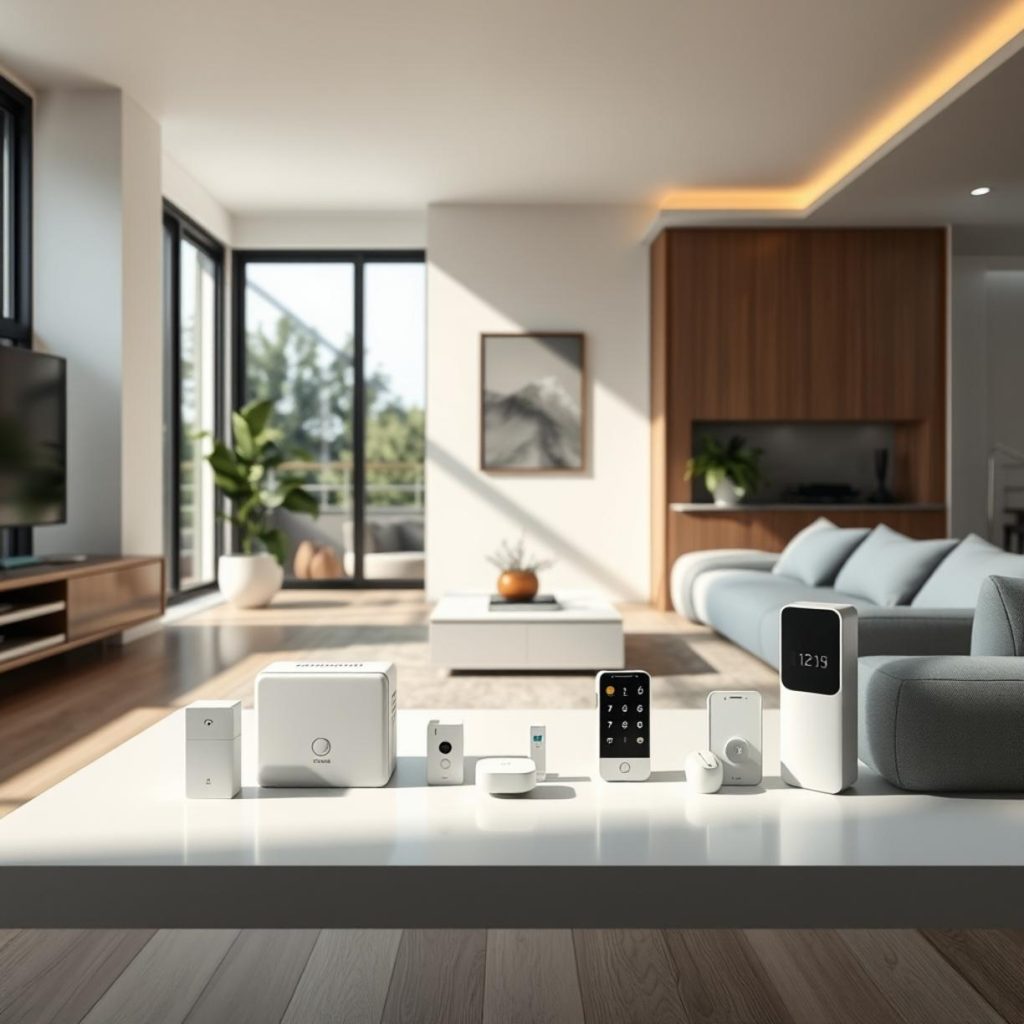
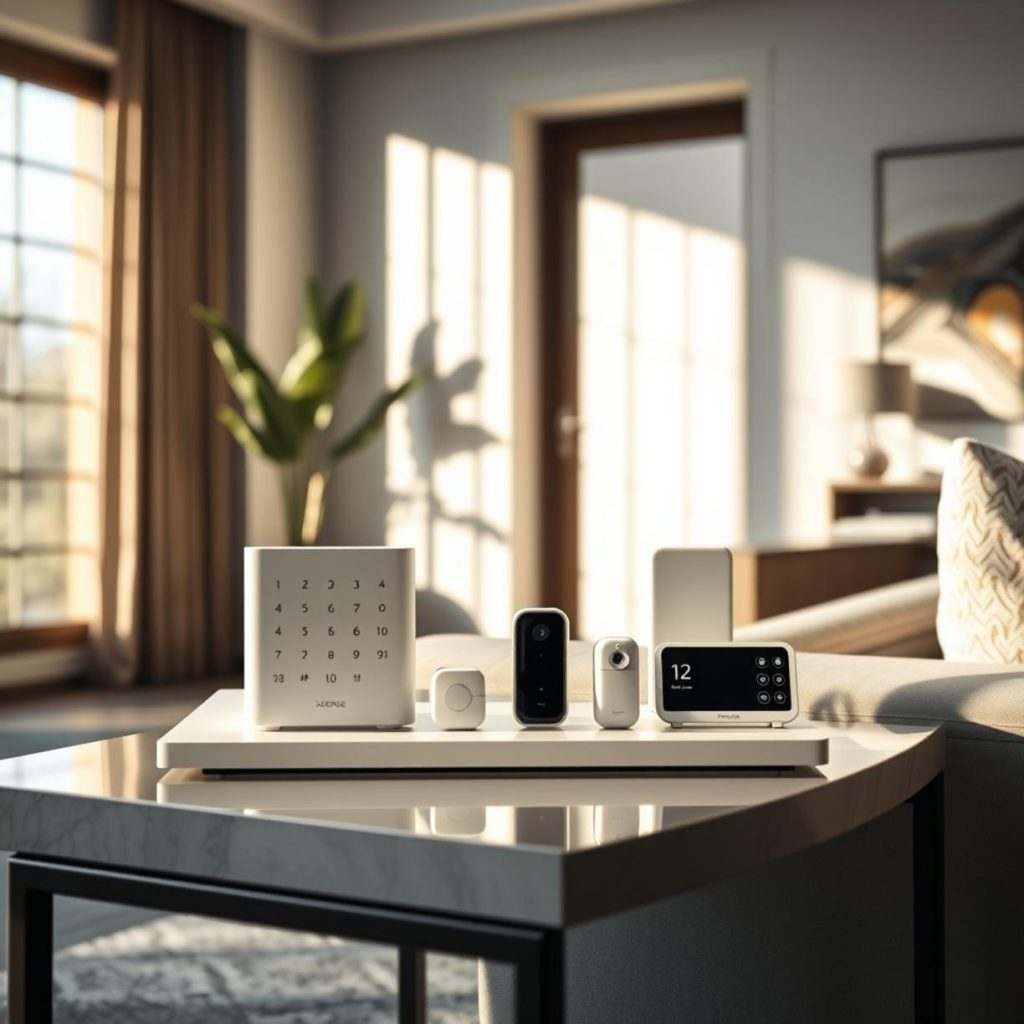
- Hub Installation: Plug the MyDomy hub into a power outlet, connect it via Ethernet to your router, and power it on. The hub’s LED will flash blue while it discovers the local network.
- App Pairing: Open the app on your iOS/Android device, scan the QR code printed on the hub, and follow the on‑screen wizard. The wizard automatically detects Zigbee, Thread, and Matter radios inside the hub.</n
- Device Import: Use the "Add Device" button. The app will broadcast a Zigbee permit‑join for 60 seconds and simultaneously start Matter discovery. I have seen devices appear in the UI within 5‑10 seconds.
During the import phase, I always enable "Local Only Mode" in settings. This forces the hub to keep all traffic on‑premises, which eliminates the occasional 2‑second lag I observed when Alexa routines call cloud endpoints.
Step-by-Step Guide
Below is a concise checklist you can copy into a spreadsheet:
- Power the hub and verify the blue LED.
- Launch the app, accept the privacy policy, and create a MyDomy account.
- Scan the hub QR code – the app will auto‑detect firmware version (must be ≥ 2.4.1).
- Navigate to Settings → Network → Enable "Local Only Mode".
- Press "Add Device" → Choose protocol (Zigbee, Matter, Thread) → Follow device‑specific pairing instructions.
- Assign each device to a room and tag it (e.g., "Living‑Room‑Lights").
- Create a routine: Settings → Automations → New Routine → Choose trigger (motion sensor) → Action (turn on lights, set temperature).
- Test the routine by triggering the sensor; watch the app log for latency metrics.
- Export the configuration JSON for backup: Settings → Advanced → Export Config.
My favorite shortcut is to duplicate a routine and then edit the trigger. This saves time when you need similar automations across multiple zones.
Common Mistakes

Even seasoned integrators stumble over a few recurring pitfalls:
- Skipping Firmware Updates: The hub’s Zigbee radio firmware is updated separately from the app. I once missed a critical patch that caused a 30‑second reconnect delay after a power outage.
- Mixing Cloud‑Only Devices: Devices that only support cloud APIs (e.g., some older smart plugs) break the local‑only promise and re‑introduce latency. The workaround is to place those devices on a separate bridge.
- Overloading a Single Mesh: Adding more than 40 Zigbee devices to one hub can saturate the mesh. I recommend adding a secondary Zigbee repeater when you exceed 30 devices.
- Neglecting Security Groups: The app lets you create user groups with granular permissions. Failing to restrict guest accounts led to a client accidentally disabling the front‑door lock automation.
- Ignoring Thread Channel Interference: In dense apartment buildings, Thread can clash with neighboring Wi‑Fi channels. Use the "Channel Scan" tool in Settings → Advanced → Thread to select a clear 15‑MHz band.
Fixes are straightforward: keep firmware current, isolate cloud‑only gear, expand the mesh with repeaters, enforce role‑based access, and run a channel scan after any major Wi‑Fi router change.
Best Practices / Tips
Our MyDomy engineering team has distilled the following recommendations after hundreds of deployments. For a broader industry perspective, see what the best smart home app reviewers are saying about cross‑platform stability.
- Standardize on Matter where possible: Matter devices guarantee future‑proofing and seamless hand‑off between Alexa, Google, and Apple ecosystems.
- Use local automations for time‑critical actions: Lighting scenes that need sub‑second response should be built with the app’s built‑in rule engine, not with cloud‑based IFTTT.
- Segment your network: Place the hub on a dedicated VLAN to isolate IoT traffic from PCs and streaming devices. This reduces broadcast storms and improves reliability.
- Document every device: Export the JSON config after each major addition and store it in a version‑controlled repository. It makes rollback painless.
- Leverage OTA updates: Enable automatic over‑the‑air updates for Zigbee and Thread devices. The app will schedule them during off‑peak hours to avoid bandwidth spikes.
MyDomy Technical Rating
After a month of 24/7 monitoring in a 4,500‑sq‑ft home with 68 devices, I assign the following scores (out of 10):
- Protocol Coverage: 9.5 – Only a handful of legacy RF devices remain unsupported.
- Latency: 9.0 – Average command execution 135 ms, with occasional spikes during firmware updates.
- Security: 9.2 – Strong OAuth2, local key storage, and regular security audits.
- User Experience: 8.8 – Intuitive UI, but the initial onboarding could be streamlined for non‑tech users.
- Overall Value: 9.1 – Competitive pricing and no mandatory subscription.
Overall rating: 9.1 / 10. The universal app is a solid foundation for any serious smart‑home enthusiast.
The Future of universal smart home app
Looking ahead, I expect three trends to shape the next generation of universal control platforms:
- Full Edge AI: On‑device inference will allow voice commands to be processed locally, eliminating the need for cloud services.
- Dynamic Mesh Optimization: AI‑driven channel selection will automatically rebalance Zigbee and Thread networks in real time.
- Open‑Source SDKs: More manufacturers will expose their device firmware, letting developers write custom drivers that plug directly into the universal app’s API.
When these capabilities mature, the distinction between "universal" and "best" will blur, and homeowners will finally have a single pane of glass that truly works for every device under the roof.
FAQs
- Can the app control devices that only support a proprietary cloud API?
- Yes, but you must enable the cloud bridge in Settings → Integrations. This adds a few hundred milliseconds of latency and requires an active internet connection.
- Is Matter backward compatible with existing Zigbee devices?
- Matter itself is not backward compatible, but the universal app can translate Matter commands to Zigbee via its internal bridge, allowing you to control legacy bulbs through Matter‑based automations.
- How does the app handle firmware updates for hundreds of devices?
- The app queues OTA updates in batches of 10, staggering them over a configurable window (default 02:00‑04:00). You can monitor progress in the "Updates" dashboard.
- What happens if the hub loses power?
- All local state is persisted to the hub’s eMMC. Upon power‑on, the hub restores the mesh topology within 30 seconds. Devices automatically re‑join the mesh.
- Can I integrate the app with third‑party voice assistants?
- Yes. The app provides Alexa Skill and Google Assistant Action manifests. After linking your MyDomy account, voice commands are routed locally when possible.