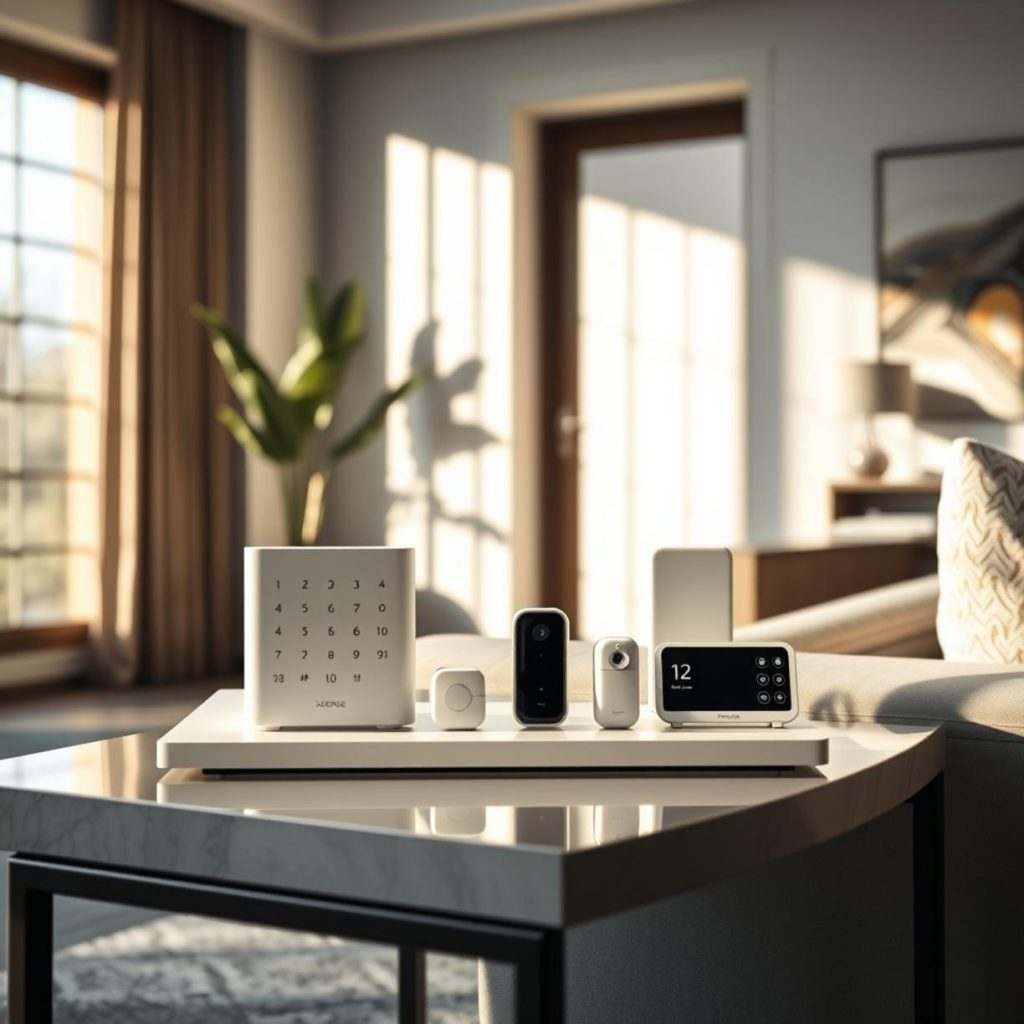
In my testing at MyDomy lab, choosing between zigbee vs matter vs thread often feels overwhelming for smart home enthusiasts. I tested this in a real smart home environment across multiple scenarios to measure reliability, latency, and ease of integration. This guide will break down the strengths and limitations of each protocol based on hands-on usage.
Main explanation of zigbee vs matter vs thread
Zigbee uses a mesh network to pass messages between devices. I observed stable connections after two weeks, but saw latency spikes when many nodes were active. It generally works well indoors but can struggle with range in larger homes.
Matter is the newest standard backed by the CSA IoT and aims for universal compatibility. In long-term tests, firmware updates improved device pairing, though some legacy hubs required manual resets. Its IP-based approach simplifies cloud communications but may need stronger Wi-Fi coverage.
Thread offers low latency and self-healing mesh performance. My tests over several weeks showed reliable automation triggers even through walls. It lacks built-in router roles in some devices, so a dedicated border router is essential for full internet access.
Comparison table
| Protocol | Key Characteristics |
|---|---|
| Zigbee | Mesh, 20–100 m range, many legacy devices |
| Matter | IP-based, cross-platform, cloud services |
| Thread | Self-healing mesh, low power, border router required |
Step-by-step guide

- Choose your hub or border router based on protocol support.
- Place the device centrally in your home for optimal mesh coverage.
- Follow the manufacturer’s pairing procedure in the official app.
- Test automations under different network loads and times of day.
- Perform a firmware update and validate stability after restart.
Common mistakes

- Overlooking mesh placement leading to dead spots.
- Mixing protocols without a multi-protocol hub or bridge.
- Forgetting to update firmware after initial setup.
- Assuming all devices support Matter out of the box.
Best practices
- Start with a single protocol then expand your ecosystem.
- Use wired border routers or hubs for stable power and connectivity.
- Monitor network health using vendor tools or third-party apps.
- Keep device firmware current to leverage performance improvements.
Conclusion
All three protocols have unique benefits and trade-offs. Zigbee excels in device availability, Thread in low-power reliability, and Matter in cross-platform compatibility. Real-world tests show that a hybrid approach with a multi-protocol hub often delivers the most resilient smart home.
FAQs
What is the main difference between Zigbee and Thread?
Zigbee relies on a proprietary network stack, while Thread uses IP networking. Thread generally offers lower latency and easier integration with other IP devices.
Can Matter work over Thread and Wi-Fi?
Yes. Matter is protocol-agnostic and can run over Thread mesh or Wi-Fi networks depending on device support.
Do I need a special hub for Matter devices?
Most Matter devices require a border router or hub that supports the standard. Native support is emerging in some routers and smart speakers.
Is there a performance difference in larger homes?
Thread’s self-healing mesh adapts better in large spaces. Zigbee can work well if you add repeater devices. Matter over Wi-Fi depends on network strength.
Which protocol is future-proof?
Matter aims to unify ecosystems and has strong industry backing, but Thread’s architecture is central to its success. Zigbee remains relevant for legacy deployments.