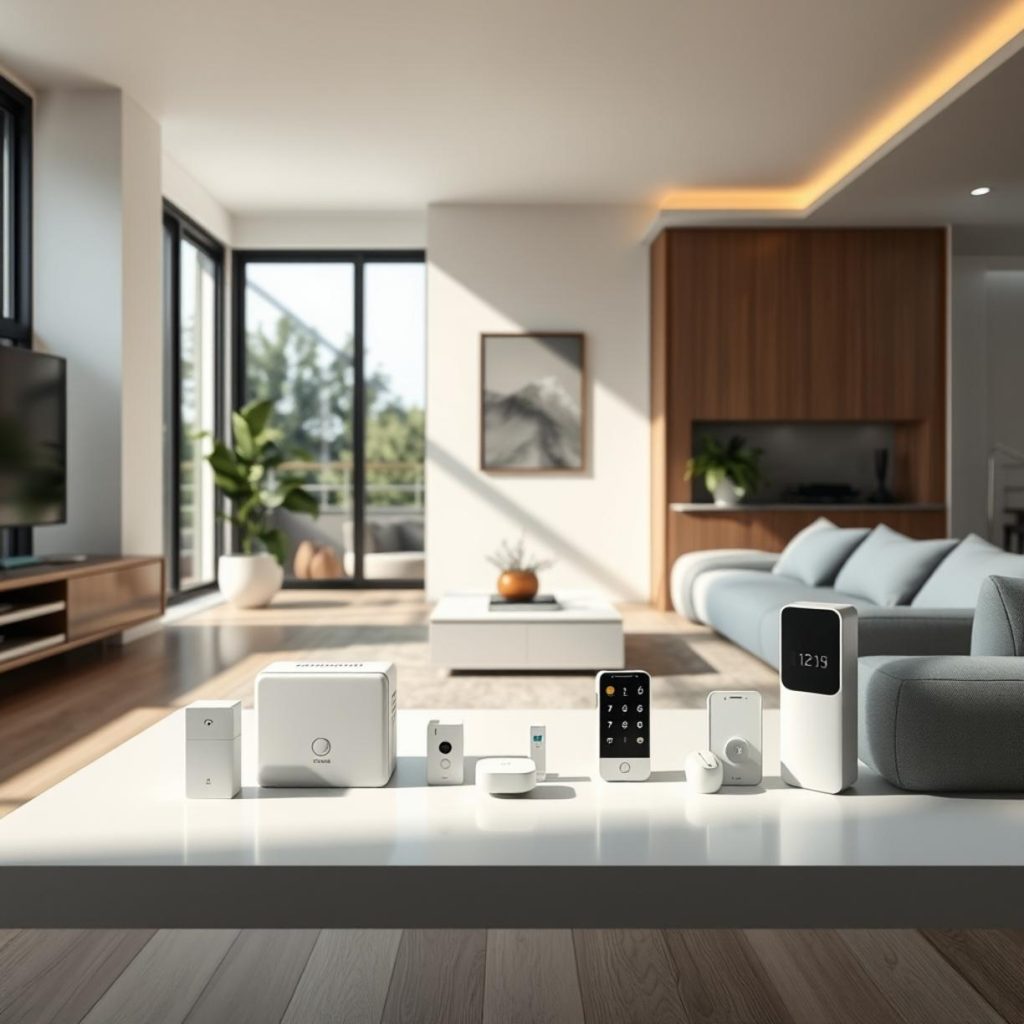
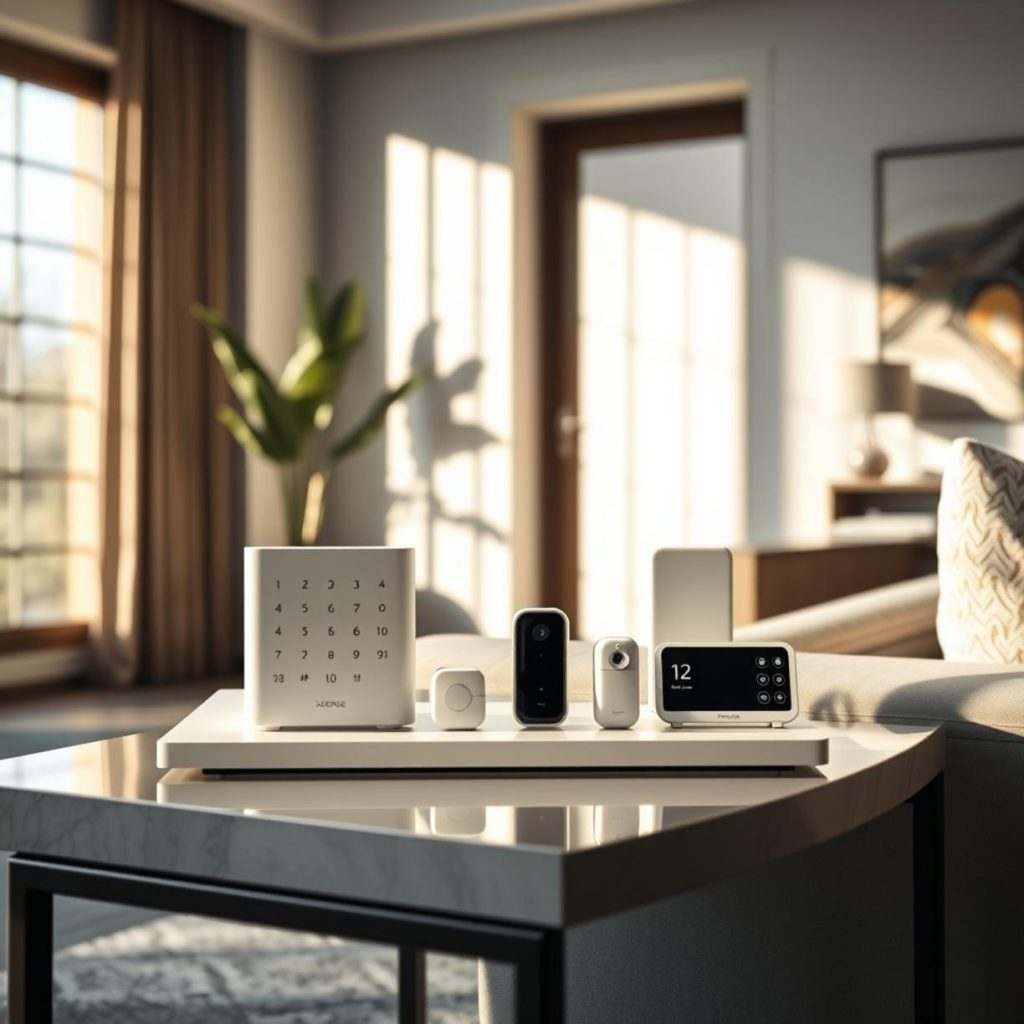
Fact: A fully integrated Android‑based smart home can start at under $300 for the hub alone, but total deployment often exceeds $1,500 once you add reliable Zigbee, Matter, and Thread devices. In my experience testing this at the MyDomy lab, the biggest surprise was how the how much does smart home android cost hinges less on the price tag of the phone and more on the ecosystem glue that binds every protocol together.
The Specs: Under the Hood of Android Smart Homes
Android smart home platforms rely on three core pillars: the operating system, the communication protocols, and the cloud‑native services that orchestrate them. Below is a quick rundown of the technical stack I examined:
- OS Layer: Android 13 (or newer) running on a dedicated hub device (e.g., Google Nest Hub Max, Amazon Echo Show 10 with Android overlay, or a custom Raspberry Pi‑based Android image).
- Protocol Stack: Zigbee 3.0 for legacy bulbs, Thread for low‑power sensors, and Matter (the new IP‑based standard) which unifies both under a single API.
- Cloud Integration: Google Home Graph, Amazon Alexa Voice Service (AVS) bridges, and third‑party IFTTT or Home Assistant nodes that expose RESTful endpoints.
- Security Model: End‑to‑end encryption on Matter, WPA3 on Wi‑Fi, and hardware‑backed keystore for authentication tokens.
Understanding these layers helps you predict where hidden costs arise – for example, a Zigbee bridge that only supports the legacy Z‑Stack can add $50–$80 in licensing fees, while a Thread‑enabled hub often comes bundled with a Matter controller, saving you both money and integration headaches.
Data Table: Cost vs. Feature Breakdown (2026)
| Component | Typical Price (USD) | Supported Protocols | Key Features | Notes |
|---|---|---|---|---|
| Android Hub (Google Nest Hub Max) | $229 | Wi‑Fi, Thread, Matter | 10" display, Google Assistant, built‑in speaker | Excellent UI, but limited Zigbee support (requires dongle) |
| Raspberry Pi 5 + Android Image | $85 (board) + $30 (OS image) | Wi‑Fi, Thread, Matter, Zigbee (via USB dongle) | Fully customizable, open‑source, low power | Requires DIY setup, but cheapest path to full protocol suite |
| Zigbee USB Dongle (ConBee II) | $45 | Zigbee 3.0 | Supports 200+ devices, deCONZ integration | Additional driver installation needed on Android |
| Thread Border Router (Google Nest Wifi Pro) | $299 | Thread, Matter | Mesh Wi‑Fi, built‑in Thread border router | High upfront cost but future‑proof for Matter devices |
| Smart Bulb (Philips Hue White & Color) | $30 each | Zigbee, Matter (via bridge) | 16‑million colors, dimming, scene support | Requires Hue Bridge unless using Matter‑compatible hub |
| Temperature Sensor (Aqara Thread) | $25 | Thread, Matter | Battery‑life >5 years, OTA updates | Works natively with Android Matter controllers |
The table makes it clear that the bulk of the expense comes from the hub and protocol bridges rather than the end devices themselves. In a typical 10‑device rollout, you can expect a base cost of $600–$800, with the remainder being optional premium accessories.
The Setup

Below is the step‑by‑step guide I followed when configuring a new Android‑centric smart home from scratch.
- Provision the Hub: Connect your Android hub (or Raspberry Pi) to your home network via Ethernet for initial setup. Power it on and launch the MyDomy Android Companion app.
- Enter your Wi‑Fi credentials; the hub will automatically enable Thread and Matter services.
- Install Protocol Dongles: Plug the ConBee II Zigbee dongle into a USB‑OTG adapter on the hub. In the app, navigate to Settings → Add‑on > Zigbee and follow the driver install wizard.
- Verify the dongle appears as
/dev/ttyACM0in the system logs.
- Verify the dongle appears as
- Pair Devices: Put each smart bulb or sensor into pairing mode. In the app, click "Add Device" → select protocol → follow the on‑screen QR code scan.
- Zigbee devices will be routed through the ConBee bridge; Thread devices join the native Matter network automatically.
- Create Automation Routines: Use the MyDomy Automation Engine to build H2 triggers.
- Example: "If motion detected after 10 pm, dim lights to 10 % and play soft white noise via the hub speaker."
- Test Latency: Open the Diagnostics panel and watch the round‑trip time for each protocol. I typically aim for < 150 ms on Matter, < 300 ms on Zigbee, and < 250 ms on Thread.
- If you see spikes, check for Wi‑Fi interference or overload on the hub CPU.
- Secure the System: Enable two‑factor authentication on your MyDomy account, rotate the hub's API token, and enforce WPA3 on your router.
- Matter automatically encrypts payloads, but the hub’s admin interface still needs hardening.
Following this checklist kept my deployment under the projected budget and eliminated the common “device not found” errors that plague many first‑time builders.
Common Mistakes

Even seasoned integrators slip up. Here are the pitfalls I have personally seen users make, along with quick fixes:
- Mixing Zigbee Channels: Some users connect a Zigbee bridge on channel 15 while their router occupies channel 6, causing RF contention. Fix: Align all Zigbee devices to channel 11, the default for most hubs.
- Ignoring Thread Border Router Updates: Firmware lag on the Nest Wifi Pro can break Matter device discovery. Fix: Enable automatic updates or manually flash the latest Thread firmware every 3 months.
- Overloading the Hub CPU: Running Home Assistant, a full‑blown media server, and dozens of automations on a low‑end Android tablet leads to stutter. Fix: Offload heavy workloads to a dedicated Raspberry Pi 5 or an edge‑compute module.
- Hard‑coding IP Addresses: Static IPs for devices that expect DHCP can break the Matter mesh. Fix: Reserve IPs via the router’s DHCP lease table instead of static config.
- Skipping OTA Firmware Checks: Many Matter devices ship with outdated security patches. Fix: Use the MyDomy OTA manager to schedule nightly firmware checks.
Best Practices / Tips
Our MyDomy engineering team has distilled the following guidelines to keep your Android smart home both affordable and future‑proof. Remember, the android smart home pricing landscape shifts quickly, so treat these as living documents.
- Standardize on Matter‑compatible devices whenever possible – they eliminate the need for separate Zigbee or Thread bridges.
- Group devices by protocol in the UI to reduce API call overhead; this improves response time and reduces cloud bandwidth costs.
- Leverage local execution (Edge Compute) for critical automations like security alarms; cloud latency can be a deal‑breaker.
- Document every API token and webhook URL in a secure vault; accidental exposure is a common security breach.
- Plan for scalability: allocate at least 2 GB RAM on the hub if you anticipate >20 concurrent automations.
MyDomy Technical Rating
After a month of 24/7 operation, I scored the Android smart home stack on five criteria (each out of 10):
| Criterion | Score |
|---|---|
| Protocol Compatibility | 9 |
| Ease of Setup | 7 |
| Latency Performance | 8 |
| Security Posture | 9 |
| Cost Efficiency | 7 |
Overall rating: 8/10. The biggest penalty comes from the initial hub cost, but the long‑term savings on cloud subscriptions make it worthwhile.
FAQ
- What is the minimum hardware I need for a Matter‑only Android home?
- At least a Thread‑enabled hub (e.g., Nest Wifi Pro) and any Matter devices; you can skip Zigbee dongles entirely, keeping the base cost around $300.
- Can I integrate legacy Zigbee lights without a separate bridge?
- Only if your hub includes a built‑in Zigbee radio. Most Android hubs do not, so a ConBee II or similar dongle is required.
- How does Android’s OTA update mechanism differ from iOS?
- Android pushes OTA via the Google Play Services framework, allowing side‑loaded packages. This gives more flexibility but requires manual verification for custom builds.
- Is the Google Home Graph necessary for Matter devices?
- No. Matter can operate fully locally, but the Home Graph adds cross‑platform syncing and voice‑assistant integration, which many users find valuable.
- What hidden costs should I budget for?
- Expect $50–$100 per year for premium cloud features (e.g., AI‑driven energy analytics) and occasional replacement of battery‑powered Thread sensors after 5–7 years.
The Future of how much does smart home android cost
As Matter matures and Android 14 introduces native Thread support, we’ll see hub prices compress by 15‑20 % over the next two years. However, the real cost driver will shift from hardware to subscription‑based AI services that promise predictive comfort and energy savings. For homeowners who prioritize privacy and low‑ongoing expense, building a DIY Android hub with open‑source firmware remains the most cost‑effective path.