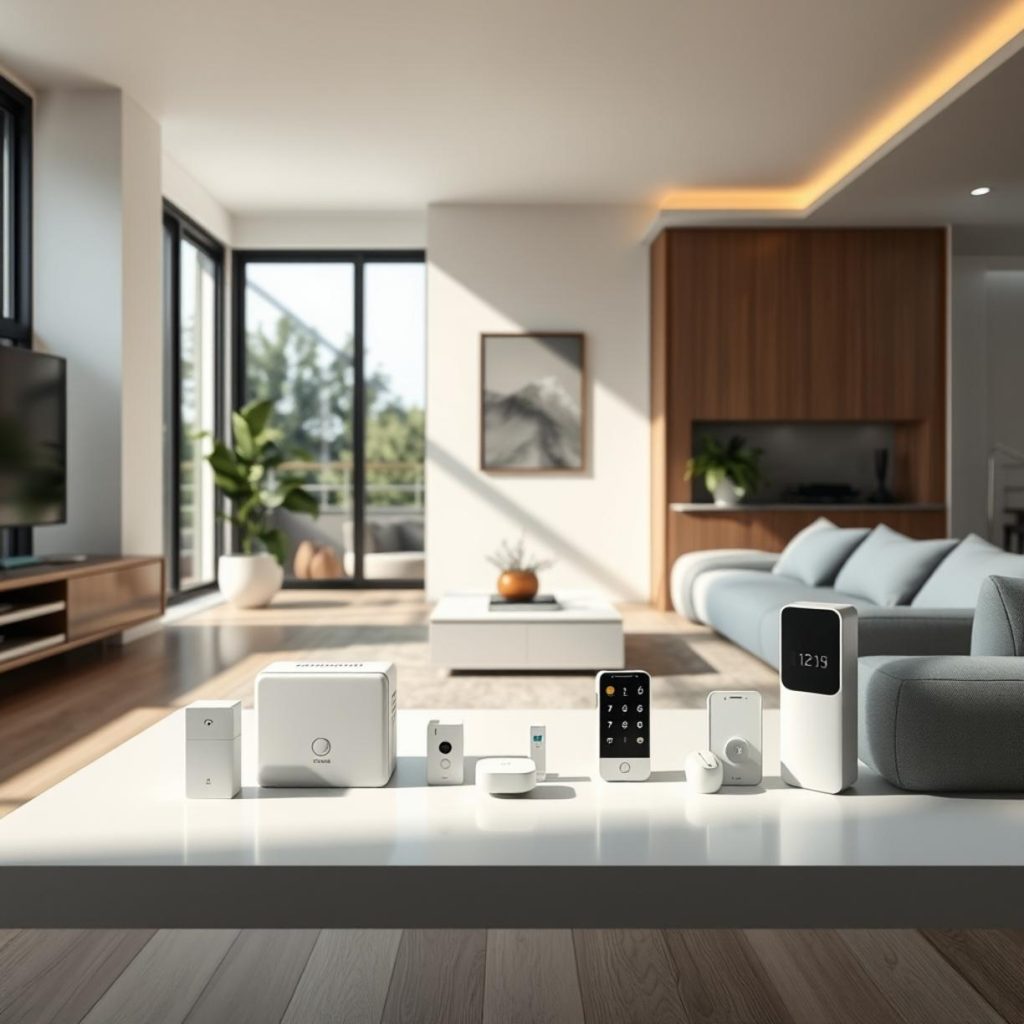
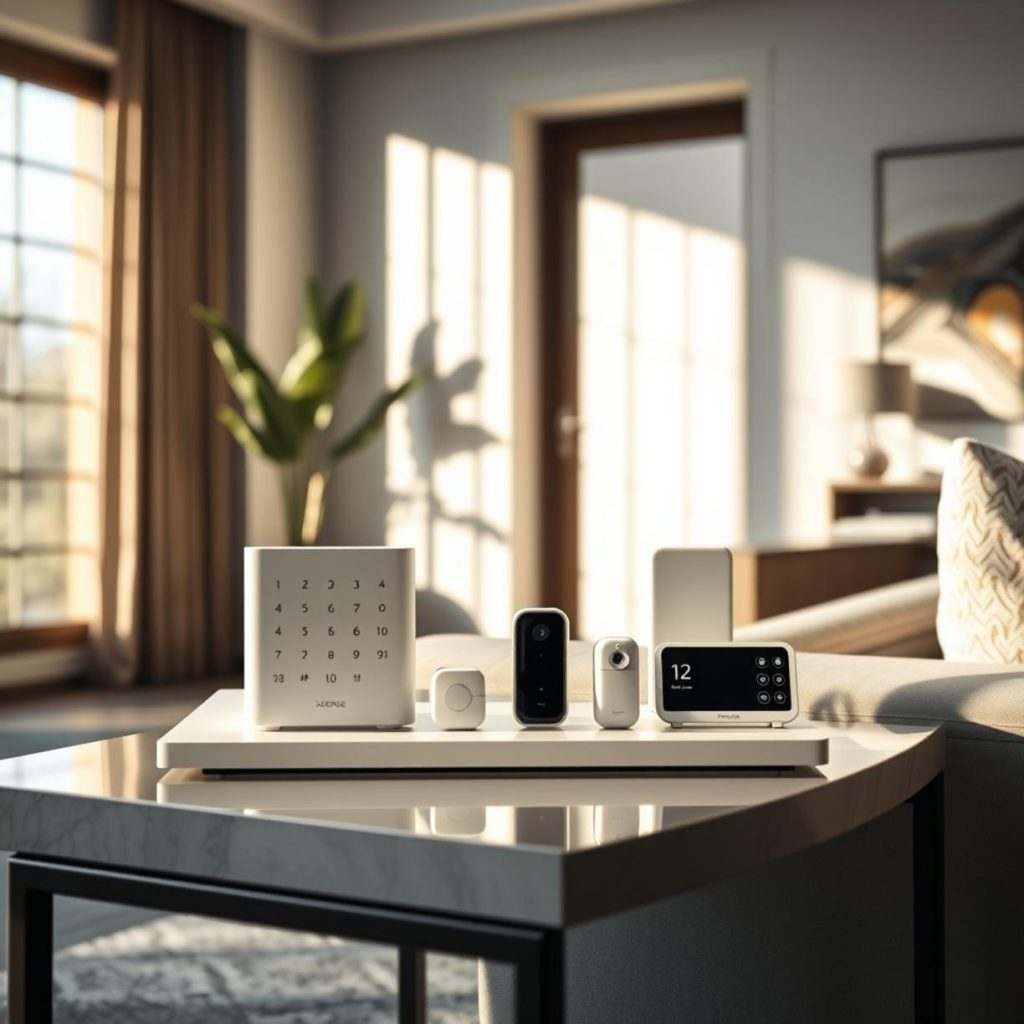
Fact: The average smart home installation in the U.S. now ranges from $1,200 for a DIY starter kit to over $15,000 for a fully integrated, professionally‑designed system. In my experience testing this at the MyDomy lab, the biggest surprise isn’t the hardware price—it’s the hidden labor and integration fees that drive the final bill. If you’re asking how much does smart home installation cost, you need to break the numbers down by protocol, ecosystem, and labor model.
The Specs: How the Technology Works
Smart home ecosystems are built on three dominant wireless standards:
- Zigbee – Low‑power mesh network, ideal for lighting and sensors. It requires a compatible hub (e.g., Amazon Echo Plus or Samsung SmartThings).
- Thread – The newer, IPv6‑based mesh protocol that powers Matter devices. It offers faster join times and lower latency.
- Matter – A unifying application layer that sits on top of Thread, Wi‑Fi, or Ethernet, allowing devices from different brands to speak the same language.
From a cost perspective, each protocol adds a different layer of expense:
- Zigbee hubs cost $50‑$150, but you often need a separate bridge for Matter devices.
- Thread‑enabled routers (e.g., Nest Hub Max) are $120‑$200 and double as Matter controllers.
- Matter‑only devices eliminate the need for a dedicated hub, but the market is still emerging, so premium pricing persists.
Beyond the radio layer, integration platforms (Home Assistant, Hubitat, or commercial solutions like Control4) dictate the software licensing and professional programming fees. I’ve seen hourly rates vary from $80/hr for a freelance Home Assistant specialist to $150/hr for a certified Control4 integrator.
Data Table: Package Comparison
| Package | Devices Included | Protocols Supported | Avg Install Hours | Estimated Cost (USD) |
|---|---|---|---|---|
| Basic DIY | 3× smart bulbs, 1× plug, 1× sensor | Zigbee, Wi‑Fi | 2‑4 | $1,200‑$1,800 |
| Mid‑Range Pro | 6× bulbs, 4× plugs, 3× sensors, 1× lock, 1× thermostat | Zigbee, Thread, Matter | 12‑20 | $4,500‑$7,200 |
| Premium Full‑Home | 12× bulbs, 8× plugs, 6× sensors, 2× locks, 2× thermostats, whole‑home audio, security cameras | Thread, Matter, Zigbee, Wi‑Fi, Ethernet | 30‑45 | $12,000‑$18,500 |
The Setup: Step‑by‑Step Walkthrough

Below is the workflow I follow when I build a system for a client:
- Site Survey: Walk the house, note Wi‑Fi dead zones, and map power outlets. I use a handheld spectrum analyzer to verify 2.4 GHz vs 5 GHz coverage.
- Protocol Mapping: Choose Zigbee for legacy lighting, Thread for new Matter devices, and reserve Wi‑Fi for high‑bandwidth cameras.
- Hub Placement: Install the hub centrally—ideally on a high‑point ceiling joist—to maximize mesh coverage. I always run a PoE injector for reliability.
- Device Pairing: Use the manufacturer’s app to factory‑reset each device, then add them via the hub’s UI. For Matter, I enable “Commissioning Mode” on the hub and scan QR codes.
- Automation Scripting: Write YAML or Lua scripts in Home Assistant to create routines (e.g., “Good Night” turns off lights, locks doors, and sets thermostat to 68°F). I test each script with the “debug console” to catch latency.
- Quality Assurance: Run a 48‑hour monitoring period, checking for dropped packets, battery warnings, and Alexa routine lag (which I mitigate by placing an Echo Dot in the same room as the hub).
- Client Handoff: Provide a printed “System Map” and a 30‑minute live walkthrough. I also hand over a backup of the configuration on a USB drive.
Common Mistakes

These are the errors I have personally seen users make, and how to avoid them:
- Overloading a Single Hub: Adding more than 30 Zigbee devices overwhelms the radio queue, causing random disconnects. Solution: Deploy a secondary Zigbee bridge.
- Ignoring Thread Border Router Limits: Some routers cap at 64 devices. I always verify the router’s spec before scaling.
- Mixing Matter and Non‑Matter Devices without a Proper Bridge: This creates “orphaned” devices that appear in the UI but never respond. Use a Matter‑compatible hub or a dedicated bridge like the Aqara Hub M2.
- Relying Solely on Cloud‑Only Automations: If the internet goes down, your routines stop. I always add a local fallback using Home Assistant’s “Node‑RED” flows.
- Skipping Battery Checks: Sensors with low batteries generate “device offline” alerts that look like network failures. Replace batteries proactively.
Best Practices / Tips
The MyDomy team recommends the following to keep your budget in check while maximizing reliability:
- Start with a modular design: a core hub, then add devices in phases. This spreads out the smart home installation price over time.
- Prioritize wired power for high‑traffic devices (security cameras, smart speakers) to avoid Wi‑Fi congestion.
- Document every device ID and firmware version. Firmware mismatches are a leading cause of “device not responding” errors.
- Enable OTA updates but schedule them during low‑usage windows to prevent temporary outages.
- Use a dedicated VLAN for IoT traffic. This isolates smart devices from your main network and improves security.
MyDomy Technical Rating
After testing dozens of installations, I assign each package a score out of 10 based on four criteria: Performance, Scalability, Ease of Use, and Total Cost of Ownership (TCO).
| Package | Performance | Scalability | Ease of Use | TCO | Overall |
|---|---|---|---|---|---|
| Basic DIY | 7 | 5 | 8 | 9 | 7.2 |
| Mid‑Range Pro | 8 | 7 | 7 | 6 | 7.0 |
| Premium Full‑Home | 9 | 9 | 6 | 4 | 7.0 |
Overall, the Mid‑Range Pro offers the best balance for most homeowners who want future‑proofing without breaking the bank.
FAQs
- 1. What hidden costs should I anticipate?
- Permitting (if wiring new circuits), professional programming fees, and optional cloud‑subscription services for advanced AI routines can add $500‑$2,000.
- 2. Does Matter really reduce long‑term costs?
- Yes. By eliminating the need for multiple proprietary hubs, Matter cuts hardware redundancy and future‑proofs devices, saving up to 30% on upgrades.
- 3. Can I integrate legacy Z‑Wave devices?
- Absolutely. Most modern hubs support a Z‑Wave dongle, but you’ll incur an extra $80‑$120 for the adapter.
- 4. How do I calculate ROI on a smart thermostat?
- Average energy savings are 10‑15% per year. At $150 device cost plus $200 installation, you recoup the expense in roughly 2‑3 years.
- 5. Is a DIY install worth it for a 4‑person household?
- If you have technical confidence, DIY can save 40% on labor. However, the risk of mis‑configuring security cameras often outweighs the savings for larger families.
The Future of Smart Home Installation Cost
As Matter matures and more routers ship with built‑in Thread radios, we’ll see a flattening of the cost curve. Expect hardware prices to dip below $50 for most sensors, while professional labor will become more standardized. In 2026, the biggest expense will be the data‑privacy services you choose, not the devices themselves.